written by Amber Ramsey. http://learnitforlife.info
Circus arts in Australia are quietly redefining what movement, fitness, and community can look like. Far from the big top stereotypes, contemporary circus programs are welcoming toddlers, teens, adults, seniors, and people with disabilities into bright community halls and purpose-built studios across the country. The result is a form of movement that builds strength and balance while also cultivating courage, trust, and belonging.
At a Glance
- Circus arts develop full-body strength, coordination, balance, and flexibility in playful, adaptable ways.
- Non-competitive classes create safe spaces for people who feel excluded from traditional sport.
- Skills like juggling, aerial work, and acrobatics foster resilience, focus, and confidence.
- Inclusive programs make movement accessible for people of all ages and abilities.
- Community-focused circus schools are strengthening regional towns as well as major cities.
Strength, Balance, and Bravery in One Practice
Circus training blends elements of gymnastics, dance, theatre, and physical conditioning. Climbing silks builds upper-body strength and grip endurance. Tightwire and balance work refine proprioception and core stability. Juggling sharpens hand–eye coordination and concentration.
Yet the physical gains are only half the story. Learning to invert on a trapeze or step onto a rolling globe asks participants to lean into uncertainty. With spotters nearby and teachers guiding each step, that nervous energy becomes a lesson in courage. Over time, small wins compound: a wobble turns into a steady stance; hesitation becomes a confident launch.
For children, this can translate into better body awareness and self-regulation. For adults, it can reignite a sense of play often lost after school sport. For seniors, controlled balance challenges can support mobility and confidence in daily life.
Why Circus Feels Different From Traditional Sport
Many Australians grow up with sport woven into school and community life. But competitive environments don’t suit everyone. Some feel sidelined by rigid rules, team selection processes, or a focus on winning.
Circus flips that script. Progress is individual. Success might mean holding a plank longer than last week, catching three balls instead of two, or simply turning up despite nerves. There is no scoreboard.
This welcoming culture is often reflected in class design:
- Mixed-ability groups working at different levels on the same apparatus
- Clear safety systems and spotting to reduce fear
- Emphasis on personal goals rather than comparison
- Encouragement of creative expression alongside skill development
- Celebrations that showcase effort and growth, not just perfection
For participants who have felt left out of mainstream sport, this shift can be profound. Movement becomes something to enjoy, not endure.
A Regional Treasure in Central Victoria
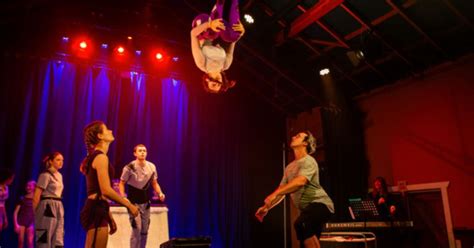
In Victoria’s Central Goldfields, Castlemaine Circus Inc. has become a vibrant hub for inclusive movement. Welcoming students from age two through to 80 and beyond, the school offers classes that bring together toddlers, teenagers, adults, seniors, and people with disabilities under one supportive roof. Its teaching approach prioritises encouragement and adaptability, ensuring that each participant can work at their own pace while still feeling part of a shared adventure.
A recently grant-funded initiative has expanded access for people with disabilities, addressing a gap in specialised movement programs across the shire. Participants learn to balance, juggle, climb, and soar in an environment designed for joy and connection. The result is a regional example of what truly inclusive circus practice can look like.
From First Cartwheel to Framed Memory
There is something electric about the first successful cartwheel, the first confident step onto an aerial hoop, or the moment someone overcomes a long-held fear of heights. For participants with disabilities, mastering a skill after weeks of patient practice can feel like a breakthrough that reshapes self-belief.
These milestones deserve more than a quick scroll past on a phone. Families can purchase stylish ready made frames to turn progress photos and performance shots into everyday reminders of growth. Online retailers offer a wide range of sizes, finishes, and colours to suit everything from studio portraits to candid training snaps. Displayed at home, these images become quiet celebrations of persistence and pride.
How to Find the Right Circus Program for You
Choosing a circus class is less about age and more about fit. Consider the following before enrolling:
- Check that instructors are trained in safety and inclusive teaching practices.
- Ask whether classes are tailored by age or mixed across generations.
- Look for clear communication about accessibility and support for disabilities.
- Visit the space to see if it feels welcoming and well-equipped.
- Enquire about trial sessions to gauge comfort and interest before committing.
A short conversation with staff can reveal whether the program aligns with your goals, whether that’s fitness, social connection, or creative exploration.
Physical and Emotional Benefits Across Life Stages
Circus adapts beautifully across ages and abilities. The following overview highlights how its benefits shift through the lifespan.
Before exploring the specifics, it helps to see how outcomes vary by stage of life.
| Life Stage | Physical Benefits | Emotional and Social Gains |
| Toddlers and Preschoolers | Basic coordination, balance, safe risk-taking | Confidence, listening skills, joyful movement |
| School-Age Children | Strength, flexibility, spatial awareness | Resilience, teamwork, self-expression |
| Adults | Functional fitness, mobility, stress relief | Courage, creativity, renewed playfulness |
| Seniors | Balance training, joint-friendly strength | Social connection, reduced isolation |
| People With Disabilities | Adapted strength and coordination | Empowerment, belonging, visible achievement |
Across all groups, the shared thread is agency: the sense that “I can do this.”
Enrolment and Participation Questions Answered
If you’re considering joining a circus program, these practical questions often come up.
Is Circus Safe for Beginners?
Yes, reputable schools prioritise safety through structured progressions and spotting. Participants learn foundational skills before attempting more complex moves. Equipment is regularly checked and instructors are trained to manage risk.
Do You Need Prior Gymnastics Experience?
No previous experience is required for beginner classes. Circus programs are designed to build skills from the ground up. Instructors adapt activities to suit different starting points.
Can People With Disabilities Fully Participate?
Many circus schools offer adapted classes or inclusive mainstream sessions. Activities can be modified to match individual needs and strengths. Open communication with instructors helps ensure a positive experience.
Is Circus Only for Children?
Not at all. Adult beginner classes are increasingly popular across Australia. Many people start in their 30s, 40s, or later and discover new capabilities.
How Often Should You Train?
Most participants attend once or twice a week to build consistency without overloading the body. Regular practice supports steady progress and confidence. Instructors can advise on balancing circus with other activities.
The Big Top Without the Barriers
Circus arts are proving that movement can be strong without being exclusive, and challenging without being cutthroat. In studios from inner-city suburbs to regional towns, Australians are discovering that balance and bravery can be learned side by side. For those who have never quite found their place in traditional sport, the circus mat offers something rare: a turn for everyone.